Glass Art.
Ocean Impact.
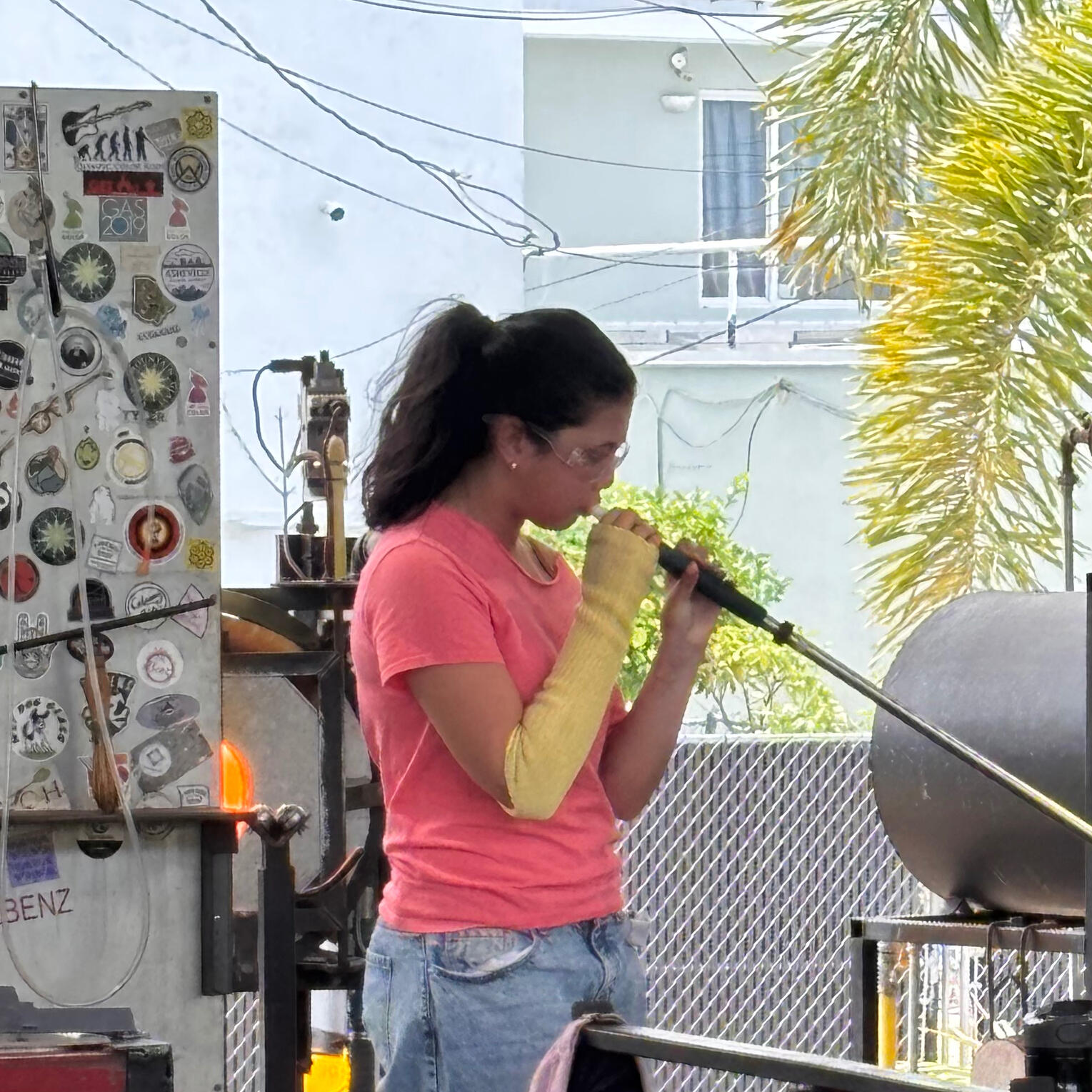
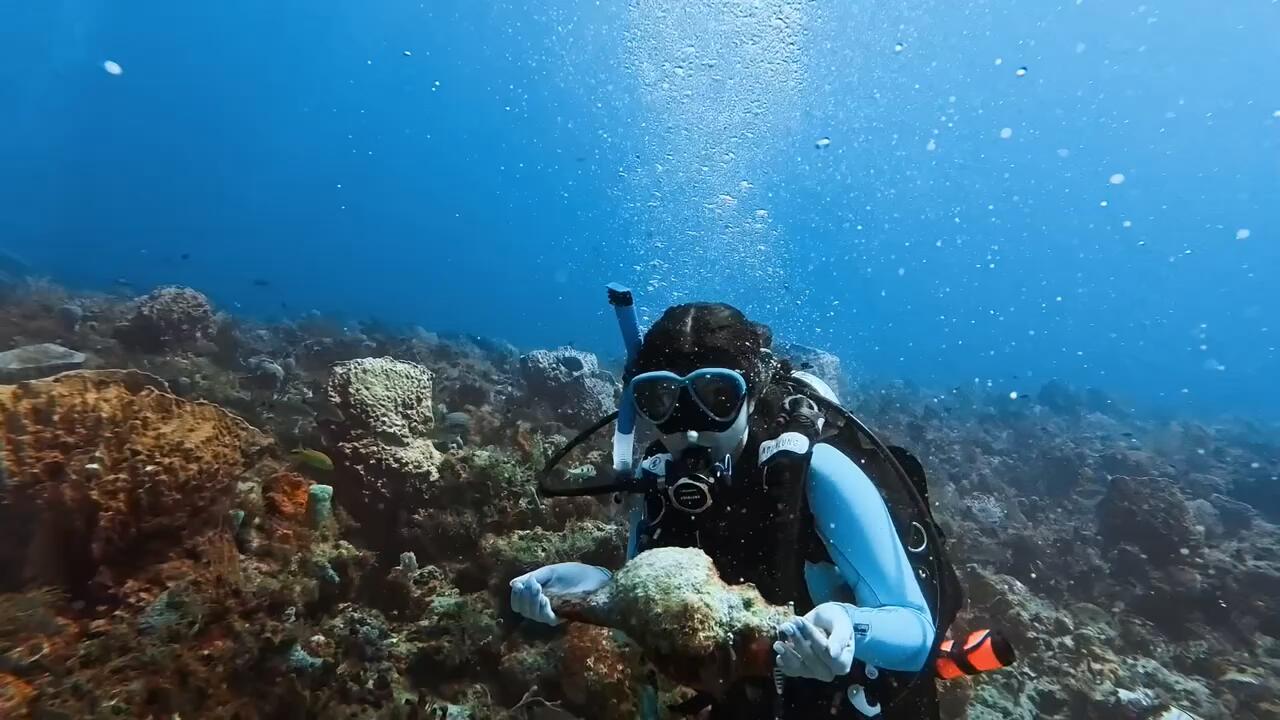
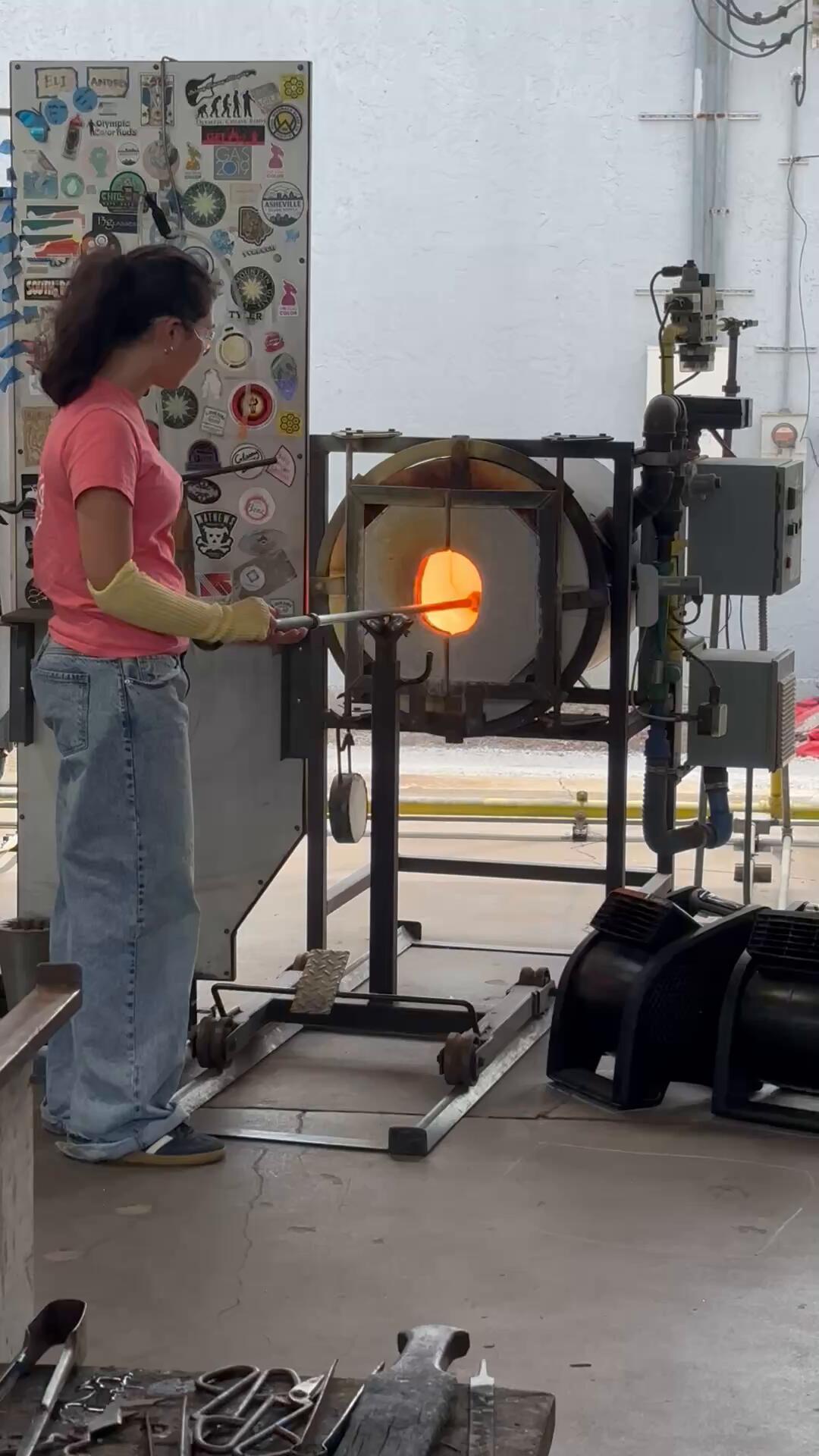
Inspired by the ocean and driven by a passion for glassblowing, SeaGlass4Reefs was founded by Evelyn Murthy to transform art into meaningful environmental action. As a student glassblower and advanced-rated scuba diver in South Florida, Evelyn creates handcrafted blown glass pieces that celebrate the beauty of the sea while promoting sustainability and environmental stewardship.Every piece is made with purpose, and 100% of the proceeds are donated to environmental nonprofits working to restore coral reefs, protect marine ecosystems, and preserve our planet for future generations. Through every handcrafted piece, SeaGlass4Reefs seeks to inspire a deeper appreciation for our oceans and the responsibility we all share in protecting them.
Mission
Evelyn Murthy's passion for the ocean began in early childhood, with sailing, and later developed into becoming an advanced scuba diver. Seeing coral reefs and marine life up close made her appreciate both their beauty and their vulnerability. Evelyn has also been glass blowing for over six years, and SeaGlass4Reefs brings those passions together by using ocean-inspired glass art to raise awareness and support coral reef conservation.Why reefs?Florida’s coral reefs are experiencing severe stress from rising ocean temperatures, pollution, disease, and coastal development. According to NOAA, coral reef ecosystems are among the most biologically diverse environments on Earth, supporting thousands of marine species and forming the foundation of complex ocean food webs. In Florida specifically, reef systems also serve as natural barriers that reduce storm surge and coastal erosion, protecting communities and infrastructure during hurricanes and extreme weather events.Beyond environmental protection, coral reefs are also essential to human life and the economy. They support fisheries that feed millions of people, sustain tourism industries across Florida, and contribute to the overall health of marine ecosystems that help regulate global oxygen and carbon cycles. Yet despite their importance, scientists warn that coral reefs are among the most threatened ecosystems in the world, with large-scale degradation occurring at an accelerating rate.Why glass?Through each glass piece, SeaGlass4Reefs aims to elevate awareness of this crisis while honoring the natural structures and colors of coral itself. The work is designed not only as artistic expression, but as a visual reminder of what is being lost beneath the surface and what can still be protected through action.What is our impact?All proceeds from sales are dedicated to environmental restoration organizations in Florida actively working to protect, restore, and regenerate coral reef ecosystems. The initiative exists at the intersection of art and conservation, using glassblowing as a medium for education, advocacy, and tangible environmental impact.From Art to Action:Create > Educate > Sell > Donate > Restore
Gallery (selected)
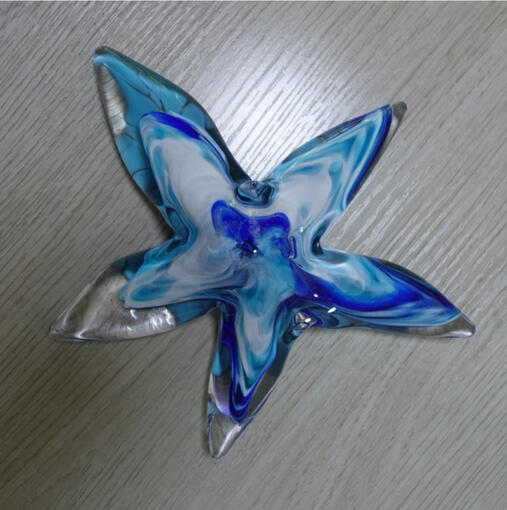
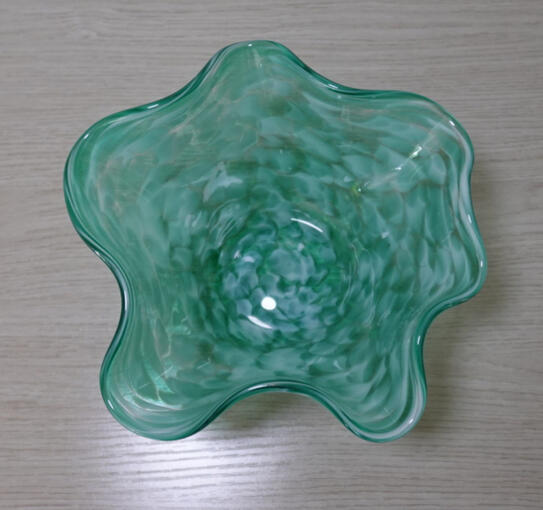
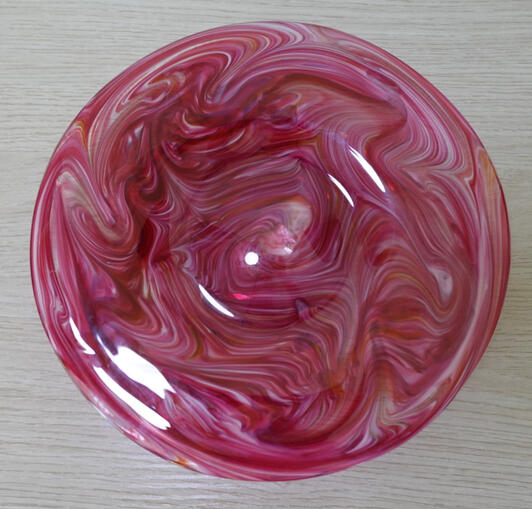
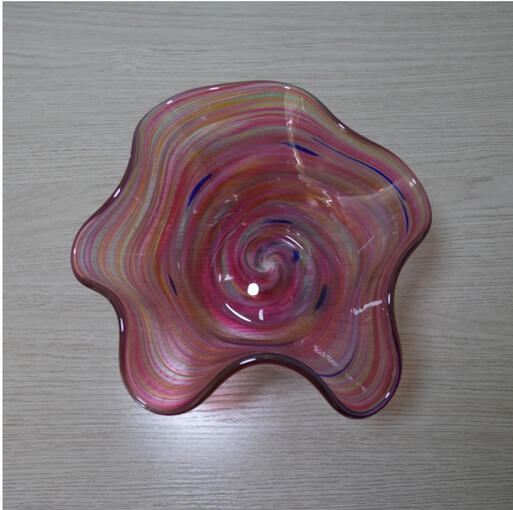
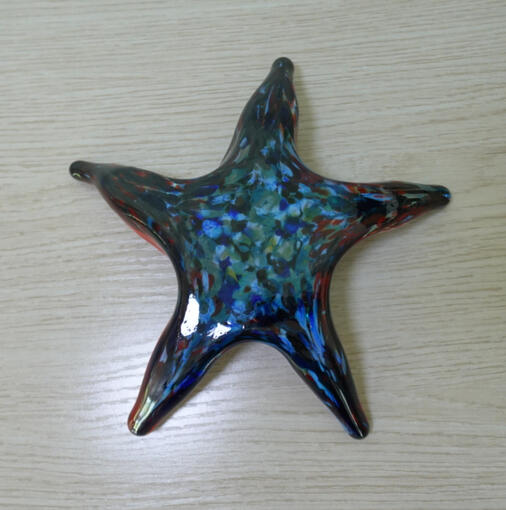
Hand-blown glass inspired by various dives through Florida waters

Sea Mist

Sea Anemone

Blue Linckia

Turtle Shell
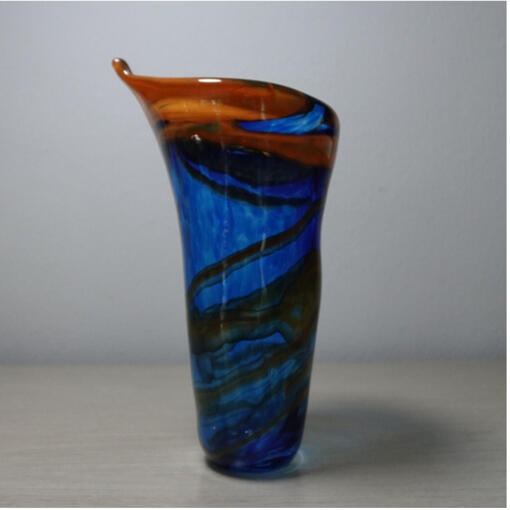
Sun Coral
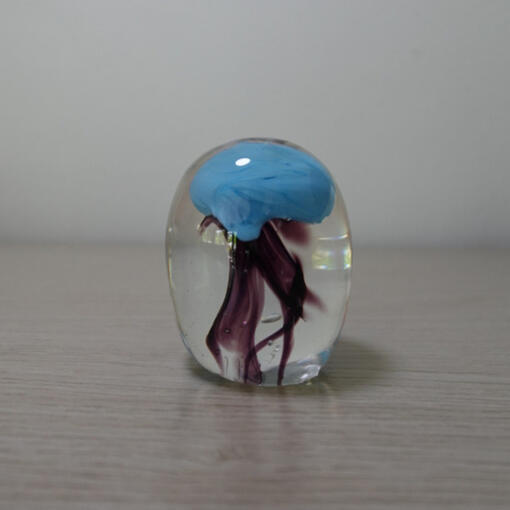
Man o’ War
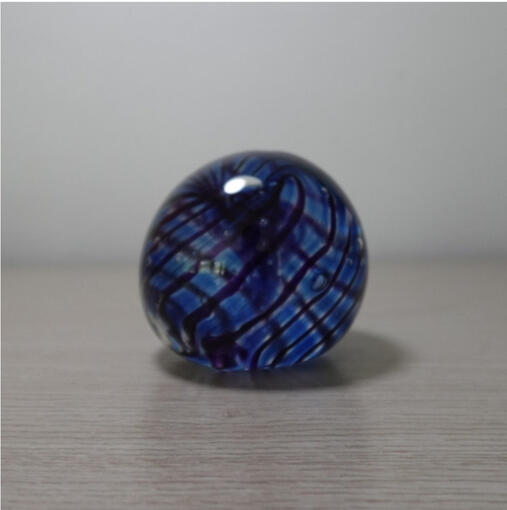
Manta Ray

Acropora Coral
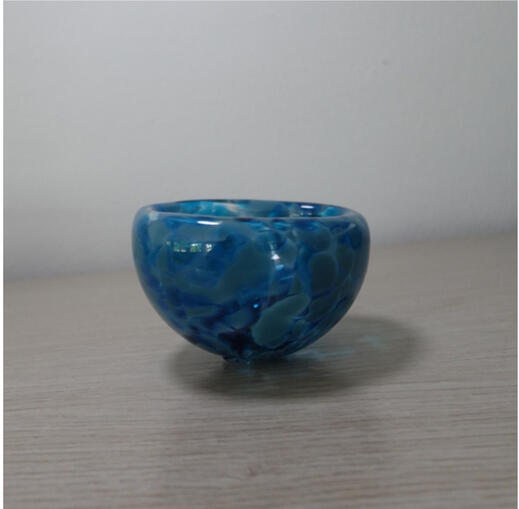
Porpita Buttons

Purple Urchin
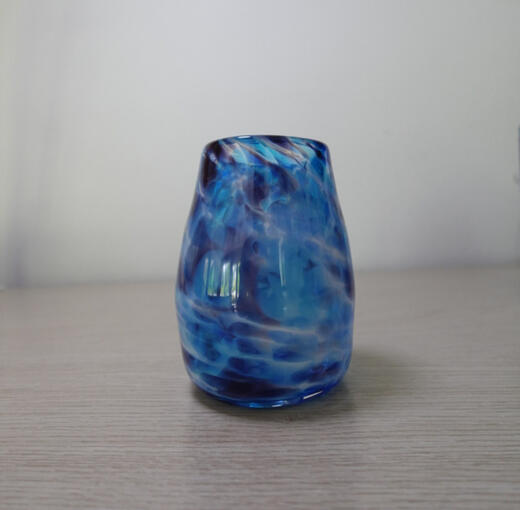
Sea Dragon
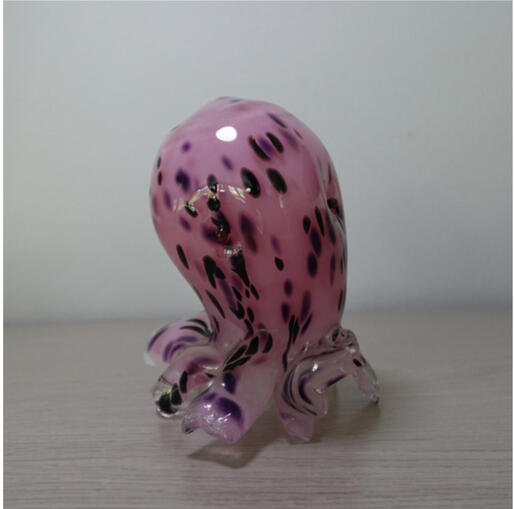
Octo Buddy
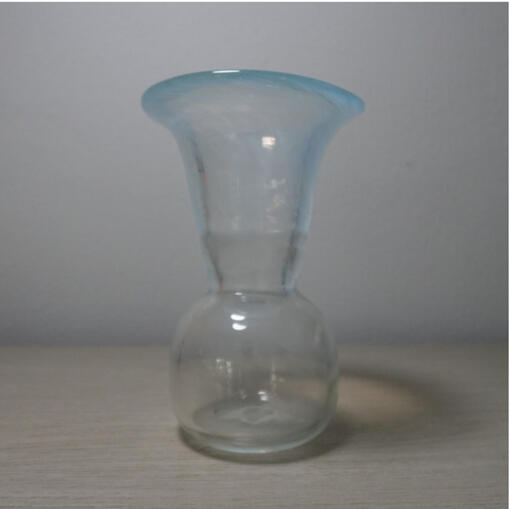
Wave Whisper

Mother of Pearl

Royal Starfish
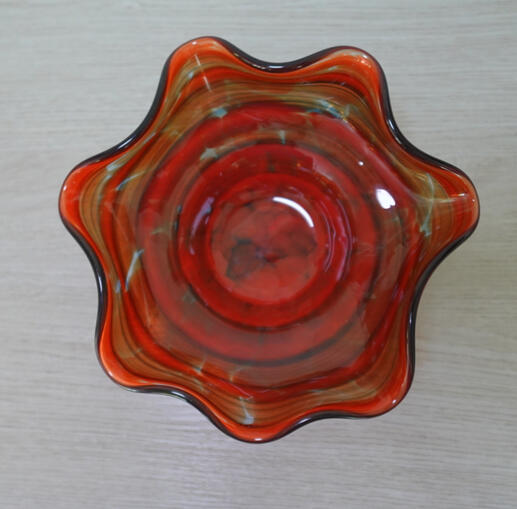
Resources
Knowledge is one of the most powerful tools in conservation. Explore these trusted resources to learn about Florida’s coral reefs, the challenges they face, and how each of us can help protect them for future generations.
Learn About Coral Reefs
Coral reefs are some of the most important ecosystems on Earth. They support thousands of species, protect coastlines, and sustain entire communities — but they’re also disappearing faster than most people realize.Scroll to learn what reefs are, why they’re dying, and what we can still do to save them.
Conservation Organizations
How You Can Help
1. Use reef-safe sunscreen 🧴
Many sunscreens contain chemicals like oxybenzone and octinoxate that can damage coral and contribute to bleaching stress. Choosing reef-safe sunscreen helps reduce direct chemical harm to reefs.
2. Reduce single-use plastics ♻️
Plastic often ends up in the ocean where it breaks down into microplastics. These can be ingested by marine life and disrupt entire reef ecosystems.
3. Support coral restoration organizations 🌱
Donate, volunteer, or share the work of groups like coral nurseries and reef restoration programs. Even awareness helps funding and outreach.
4. Be careful when in the ocean 🐠
If you snorkel or dive, never touch coral or stand on reefs. Coral is extremely fragile, and even light contact can break structures that took decades to grow.
5. Choose sustainable seafood choices 🎣
Overfishing affects reef balance. Using guides like Seafood Watch helps you avoid contributing to species depletion that harms reef ecosystems.
6. Reduce fertilizer and chemical runoff at home 🌿
Overfishing affects reef balance. Using guides like Seafood Watch helps you avoid contributing to species depletion that harms reef ecosystems.
7. Support climate action policies 🌍
Climate change is the biggest driver of coral bleaching. Supporting policies that reduce carbon emissions helps slow ocean warming long-term.
8. Educate others 💬
Sharing information about coral reefs helps more people understand the issue. Awareness leads to pressure on governments and industries to act.
9. Participate in beach cleanups 🧤
Removing trash before it reaches the ocean directly reduces pollution that harms marine ecosystems.
10. Support science and conservation work 🔬
Follow, fund, or promote organizations doing reef research, disease treatment, and restoration. Science is one of the only reasons reefs still have a chance.
Contact Us
Questions about SeaGlass4Reefs, partnerships, educational presentations, or fundraising? We’d love to connect.